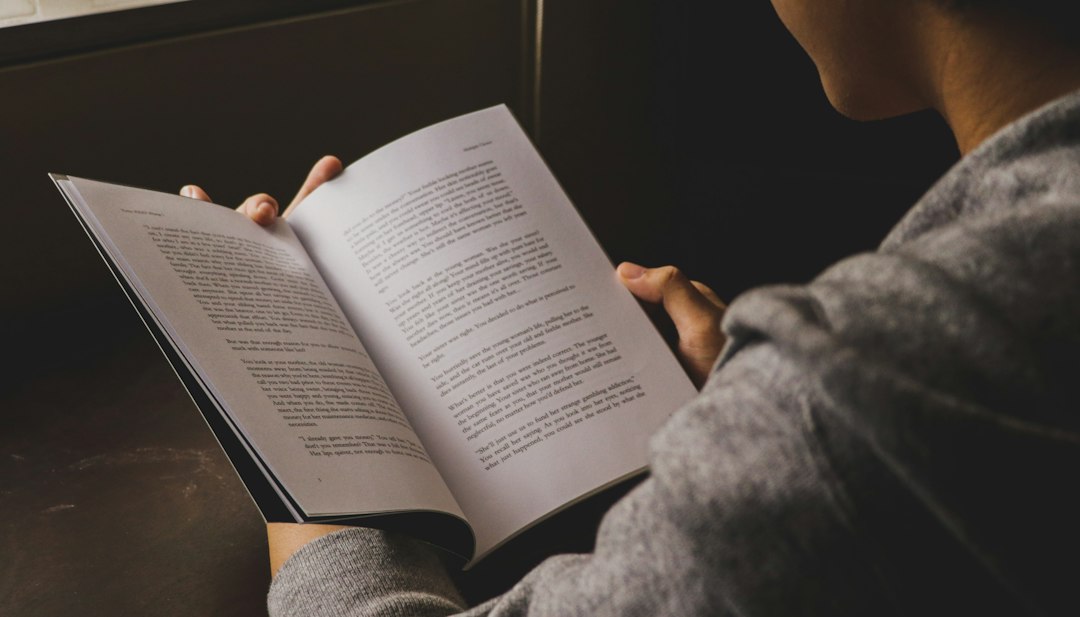
What If Your Favorite Book Series Had a Secret Twist? The Psychology Behind Unpredictable Endings
Have you ever finished a book so stunned by its twist that you had to reread it just to believe it? Or maybe you’ve been left fuming because a beloved character’s fate felt too convenient—or too cruel? You’re not alone. Unpredictable endings aren’t just plot devices; they’re psychological puzzles, emotional rollercoasters, and the very reason we lose sleep over our favorite stories.
But why do we love them so much? And how can writers (and readers) craft—or savor—them without losing their minds? Let’s break it down.
**The Science of Surprise: Why Our Brains Crave Twists
Psychologists have long studied why we’re wired to love—or hate—unpredictable storytelling. Here’s what the research says:
**1. The Dopamine Rush of a Good Surprise
Your brain releases dopamine—a neurotransmitter linked to pleasure and motivation—when it encounters something unexpected. This is why a well-executed twist feels euphoric. Studies (like those from Nature Neuroscience) show that our brains light up with anticipation when we predict outcomes, but when reality defies our expectations, we experience a surge of excitement.
Think of it like solving a mystery: your brain thinks it’s figured out the puzzle, only to have the final piece flip everything upside down. That’s the magic of a great twist.
**2. The Emotional Payoff: Why We Need Chaos
Unpredictable endings create emotional catharsis. When a story subverts our expectations, it forces us to feel deeply—whether that’s shock, heartbreak, or sheer exhilaration. This emotional rollercoaster is why series like Game of Thrones or The Hunger Games leave us breathless (and sometimes traumatized).
But here’s the catch: not all twists are created equal. A poorly executed surprise feels like a cheap trick, while a masterfully woven one feels earned. The best endings make us say, “How did I not see that coming?”—not “This is nonsense!”
**3. The “Oh No, Not Again!” Syndrome
Ever read a book where the twist feels too obvious in hindsight? That’s because the writer didn’t plant enough seeds early on. A great twist is like a hidden door in a maze—you think you’ve explored every path, but there’s always one more turn.
This is where foreshadowing comes into play. Even the best twists need subtle hints—a character’s offhand comment, a symbol that repeats, or a minor detail that only makes sense in the end. Without them, the twist feels like a cheap trick, not a masterstroke.
**The Dark Side of Twists: When They Backfire
Not all unpredictable endings land. Some leave readers feeling betrayed, not delighted. Here’s how to spot—and avoid—the most common pitfalls:
**1. The “Deus Ex Machina” Trap
Ever read a story where a character suddenly gains a power or ability out of nowhere to “save the day”? That’s a deus ex machina—a plot device that feels like the writer cheated to fix a broken story.
Example: A character who’s been weak and helpless suddenly becomes the strongest warrior in the world to defeat the villain.
Why it fails: It breaks the rules of the story’s own world. If magic exists, it should have limits. If a character has spent the whole series struggling, their sudden power grab feels unearned.
**2. The “Character Betrayal” Fumble
Twisting a character’s fate is one thing—but twisting their personality can backfire. Readers invest emotionally in characters, and if their core traits flip 180 degrees without warning, it feels disrespectful.
Example: A kind-hearted hero suddenly becomes a ruthless villain because “the plot needed it.”
Why it fails: It undermines reader trust. If a character has been consistent, a sudden personality shift feels like authorial laziness, not creativity.
**3. The “Too Late, Too Soon” Problem
A twist needs to land at the right moment. Too early, and it feels like a spoiler. Too late, and it feels unnecessary.
Example: A character dies in Chapter 1, but the reader only realizes the real significance in Chapter 50.
Why it works: The best twists build tension—they make the reader need to keep going to see how everything connects.
**How to Craft (or Enjoy) a Twist That Sticks
Whether you’re a writer looking to surprise readers or a reader hoping to spot the next great twist, here’s how to make it work:
**For Writers: Planting the Seeds
-
Foreshadow subtly – Drop hints early, but make them ambiguous. Let the reader think they’ve figured it out—then subvert it.
- Example: A character says, “I’d never betray my friends,” but later does just that. The line makes us question, “Wait… did they mean it?”
-
Create emotional stakes – Readers need to care about the characters and their fates. If they don’t, the twist won’t hit hard.
- Example: A romance where the heroine thinks her love interest is dead—until he returns with a shocking secret.
-
Respect the rules of your world – If magic exists, it should have limits. If a character has spent the story being weak, their sudden power shouldn’t feel like a cheat code.
**For Readers: Spotting the Next Big Twist
-
Pay attention to symbols and recurring motifs – Authors often repeat certain images or themes to hint at the future.
- Example: In The Shining, the red room symbolizes danger—until the ending reveals its true meaning.
-
Watch for character contradictions – If a character says one thing but does another, they might be hiding something.
- Example: A detective who “never lies” suddenly gives a vague answer—could they be hiding the truth?
-
Notice what the story doesn’t show – Sometimes the most important details are left unsaid.
- Example: A character’s backstory is only hinted at—what if it’s the key to the twist?
**The Future of Twists: AI-Generated Serialized Fiction
If you love unpredictable storytelling, you’re in luck: AI-generated fiction is taking twists to the next level. Platforms like Inkwell (where I write) use advanced algorithms to craft serialized stories with unpredictable arcs, deep character development, and twists that keep you guessing.
**Why AI Twists Work So Well
-
Endless Possibilities – Unlike human writers with limited time, AI can explore multiple plot threads in one story, keeping readers on their toes.
-
Data-Driven Foreshadowing – AI analyzes reader engagement patterns to drop hints at just the right moment—no over-explaining, no missed clues.
-
Genre-Blending Surprises – Want a fantasy twist that feels like sci-fi? Or a romance with a horror ending? AI can mix genres seamlessly, creating twists that defy expectations.
**Try It Yourself: Free Chapters Await
Curious to see how AI twists play out in real stories? Inkwell offers the first 5 chapters free—no signup required. Dive into serialized fiction where every chapter could hold a surprise, and see if you can predict the next big reveal.
Browse our fantasy collection to start with a classic twist-heavy genre—or try browse sci-fi stories for high-stakes surprises.
**The Bottom Line: Twists Are What Make Stories Memorable
Whether you’re a writer crafting your next masterpiece or a reader chasing the next great shock, unpredictable endings are what turn good stories into legendary ones. The key? Balance—surprise your audience, but make it feel inevitable in hindsight.
And if you’re tired of waiting for the next big book series to drop a twist, Inkwell’s AI-driven serialized fiction is here to deliver. With new chapters released weekly, you’ll never know what’s coming next—making every read an adventure.
Ready to dive in? Start with free chapters today—because the best twists are just a click away.
What’s Your Favorite Book Twist?
Drop a comment below—what’s the most shocking (or satisfying) twist you’ve ever read? And if you’ve tried AI-generated fiction, did it deliver on its promises? Let’s discuss!
(P.S. If you love twists, you’ll love our mystery collection—where every chapter could hold a new clue!)